Yixin Li ’25 on the Path From Philosophy and CS to Social AI Product Management
Written on May 14th, 2026 by Naser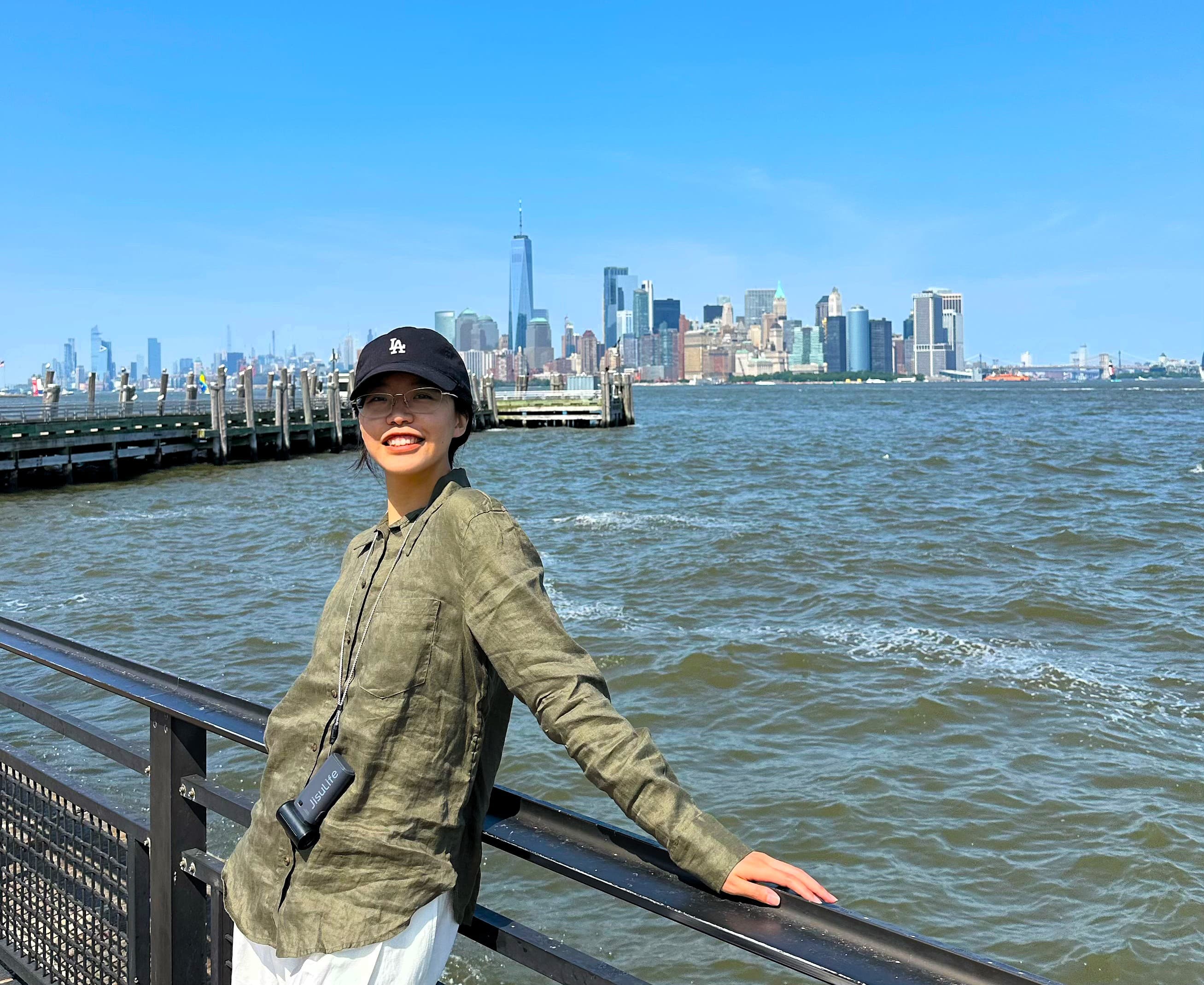
Photo credit: Yixin Li.
This post is part of a spotlight series highlighting the work of exceptional students and alumni. The series aims to facilitate knowledge sharing on topics such as internships, jobs, entrepreneurship, and graduate school.
Today, I have the pleasure of talking to Yixin Li ’25 about her experience as product manager at Continua AI.
Naser: Can you tell us a little about yourself?
Sure! My name is Yixin Li, and I graduated from Colby in 2025 with a double major in Computer Science and Philosophy. Passionate about human-AI collaboration, accessibility, and AI ethics. My interest in startups really started through the Halloran Entrepreneurship Lab, and the software engineering classes which made me increasingly excited about building ideas into real products and experiences.
Naser: Can you tell us about your role and responsibilities?
I started at Continua AI as a product intern and transitioned to a full-time product manager (PM). Working at a startup with fewer than ten people means everyone wears multiple hats, and that’s actually the part I enjoy most.
Early in the product development cycle, I focus heavily on customer discovery through user research, interviews, and competitive analysis. I then turn those insights into actionable product decisions by Product Requirements Documents (PRDs), prioritizing features, and working closely with engineers to bring products to launch.
Beyond traditional product work, I’m also pretty hands-on technically. I often dive directly into the codebase to better understand system architecture, collaborate with engineers on designing evaluation harnesses and product infrastructure, and help shape how our AI systems are tested and improved. As a side gig (okay, not really - it’s still my job), I also do some frontend work and build automated workflows here and there.
These days, a large part of my workflow lives inside tools like Claude Code and Codex. I use them for both non-technical tasks such as research, writing documents, and drafting communication, and technical work, including building React/TypeScript frontend features, building prototypes, testing prompt iterations, and analyzing user behavior data.
Naser: How did you find this opportunity? And why did you choose it?
I actually found Continua AI while scrolling through LinkedIn posts about startup product launches. After trying the product myself, I became really interested in the vision and noticed they were hiring for a product lead role.
I knew I probably didn’t fully match what they were looking for on paper, but I also knew I wanted to be involved somehow. So instead of sending a standard application, I decided to approach it differently. I spent time deeply exploring the product, documenting bugs, identifying areas for improvement, and writing down my thoughts on the product’s long-term potential and direction.
I then packaged all of that into a long message and cold-emailed it to the CEO through LinkedIn. My thinking was: if I wanted to pitch myself as someone who could contribute product thinking, I should probably show them how I actually think about products.
Starting as an intern, it was never clear whether a full-time junior PM role would even exist. It became more about figuring out what I could add to my responsibilities, how I could make others’ jobs easier, and demonstrating my passion and willingness to take things on. The focus lies in showing what I could bring to the team rather than waiting for a defined path to appear.
Two things drew me to Continua AI specifically. First, the company’s vision around connecting Personal AI with Social AI, which connects directly to my background in conversational AI and AI ethics. I wanted to work on something that felt both technically exciting and ethically important. Second, was the team. From my very first interview, I could tell I vibed with everyone. At a startup with fewer than ten people, you’re working closely with the same folks every single day. Culture fit is essential. I left those conversations feeling like I’d found my people.
Naser: Can you tell us about the interview process? And how did you prepare for it?
I went through four rounds of interviews, meeting with three team members before sitting down with the CEO in the final round. The conversations were mostly behavioral - they really dug into the experiences on my resume, especially my startup work and my approach to user research, as well as how I work with ambiguity. That focus on user research made a lot of sense later, since my first project at Continua AI ended up being designing and conducting a new round of user interviews.
For preparation, I did the standard stuff: I picked a couple common behavioral questions and wrote out strong answers beforehand so I’d have clear stories ready to go. Additionally, I reviewed the product feedback document I’d sent them and prepared a list of questions I wanted to ask the team.
As I moved through the rounds and learned more about each person’s work, I’d come up with follow-up questions tailored to their expertise. Sometimes a team member would even say, “Oh, [person A] would know about this,” which helped me ask better, more targeted questions each time. To me, that’s actually a core PM skill I want to demonstrate, which is knowing how to ask the right questions to get the information you need to make good decisions.
Naser: How did the job align with your academic studies at Colby, and did it provide any unique perspectives or insights?
The CS and Philosophy double major ended up being perfect preparation for product work. Computer Science gave me the technical fluency to understand what we’re building and communicate effectively with engineers and Philosophy taught me to think critically and ask the hard questions: Should we build this? How might it affect different users? What are the ethical implications? . Beyond academics, Colby’s small, close-knit environment prepared me well for startup life. I was used to speaking up in small classes, asking questions freely, and building relationships with people around me. Transitioning to a small team just felt completely natural.
Naser: What tips would you give students interested in doing an internship in the future but not sure where to start?
-
Start networking early. Networking gives you two huge advantages right away. First, it’s the easiest way to understand what a role actually looks like day-to-day, beyond what’s written in job descriptions. Second, you’ll learn how people in those roles talk about their work, which helps you pick up the right language and phrasing to use in your own resume and interviews. Plus, you’re practicing articulating your own experience, so when the interview time comes, you’re already comfortable talking about yourself.
-
Stay updated with the industry news. My fav is TLDR. It covers major tech updates and highlights new product launches. Reading it regularly and being able to reference the recent news can help you sound informed in conversations and interviews, especially if you’re interviewing for companies that are trying to push the edge.
-
If you’re interested in product management specifically, Lenny’s Podcast is a good option. He interviews product leaders from companies you’ve definitely heard of, and the conversations are really insightful. I actually first discovered the podcast through a Colby alum who’s always been incredibly supportive - yes, goes back to tip #1: You’ll also meet a lot of amazing people along the way. For me, podcasts like this are a great way to learn how strong PMs think strategically, communicate decisions, and approach complex product problems.